Service Overview
Custom web app development makes sense when your project needs more than a standard website.
I start by understanding what the application needs to do, who will use it and which systems or services it needs to connect with. From there, I recommend a practical approach that keeps the project focused, maintainable and appropriate for your budget.
That might mean a relatively simple internal tool, a customer-facing application or a larger platform with accounts, dashboards, payments, data and multiple user types.
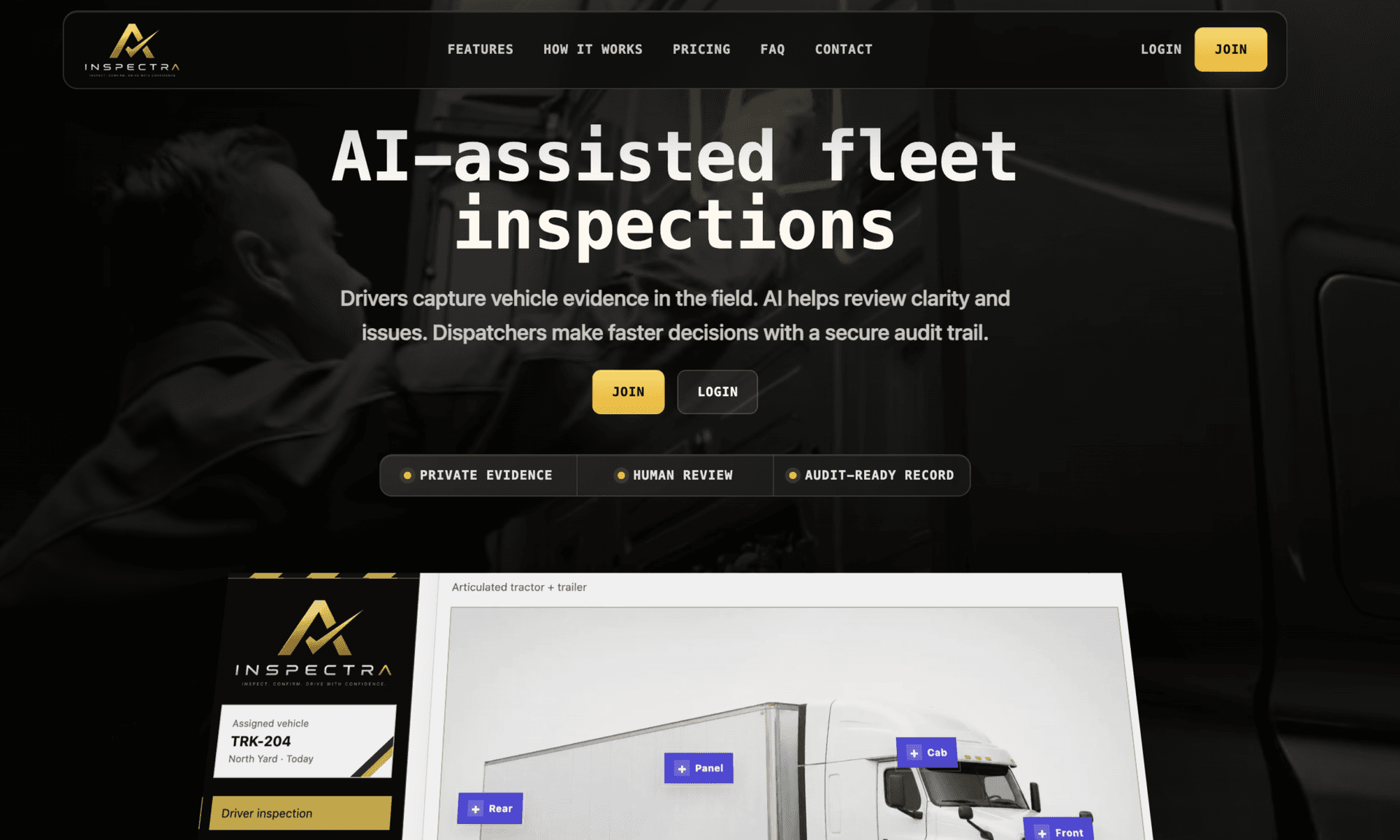
For examples of custom functionality in practice, you can see the Inspectra case study and see the DataAnvil.AI case study.
What I Can Build
I design and develop custom web applications where the functionality matters just as much as the interface.
Depending on the project, this can include:
Customer and member areas
Business dashboards
Booking and enquiry systems
Account and login functionality
Calculators and interactive tools
Directories and searchable databases
Multi-step forms and application processes
Content management workflows
Internal business tools
Payment and subscription functionality
Data-driven websites and applications
I can also integrate your web app with the services your business already uses, including payment providers, email platforms, CRMs, booking systems and third-party APIs.
The goal is not simply to add more technology. It is to remove unnecessary manual work, simplify processes and create a better experience for the people using the application.
Custom Web Applications Built Around Your Workflow
Custom development is particularly useful when an existing theme, plugin, SaaS product or no-code platform forces your business to work around its limitations.
You may have reached a point where you are dealing with awkward workflows, disconnected systems, recurring software costs, restricted integrations or functionality that does not quite fit the way your business operates.
A custom web application gives you more control over how those pieces work together.
I do not recommend custom code simply because it is possible. If an existing platform or integration can solve the problem more efficiently, I will say so.
When a bespoke application is worthwhile, I focus first on the functionality that genuinely matters and structure the project so it can grow as your requirements develop.
From Idea to Working Web App
You do not need to arrive with a finished technical specification.
Before development starts, I work with you to understand the idea, the people who will use the application and the outcome you want it to achieve.
We define the important features, user journeys, content requirements, integrations and technical constraints before separating the essential functionality from features that can be introduced later.
I then design and develop the application, test the important user journeys and share progress as the project takes shape.
This means the final product is considered from both sides: how it looks to your users and how effectively it works behind the scenes.
More Than Just the Front End
A custom web app often involves much more than designing the pages people see.
Depending on the project, I can build the systems behind the interface too, including databases, authentication, user permissions, dashboards, APIs, payment flows, content management tools and administrative areas.
This allows the different parts of the application to work together as one system rather than relying on a collection of disconnected tools.
For businesses with an existing website, custom functionality can also sometimes be added without replacing the entire site.
If you are weighing a DIY AI builder against a tailored build, you may also want to read: Why AI Web Builders May Not Be as Efficient as Hiring a Developer.
Custom Code, Without the Complexity
You do not need to know whether your project should use Next.js, WordPress, a particular database or a specific hosting platform before getting in touch.
I choose and recommend technology based on what the application actually needs to do.
I explain those decisions in plain language and keep you involved in the parts that affect your customers, your workflow and the future of the project without expecting you to manage the technical details yourself.
The result should be software that solves a real problem, rather than unnecessary technology for its own sake.
Custom Web App Development for Growing Businesses
You do not need to be building the next large software platform to benefit from a custom application.
Many projects begin with a relatively focused business problem: managing enquiries, giving customers access to information, replacing spreadsheets, automating repetitive administration or connecting systems that currently require manual work.
A smaller, well-planned application can often create more value than trying to build every possible feature from the beginning.
If the idea develops over time, the application can be structured so additional functionality can be introduced in later phases.
Common Questions
What is custom web app development?
Custom web app development is the process of designing and building an online application around a specific set of requirements rather than relying entirely on pre-built software.
A custom web application might include user accounts, dashboards, databases, payments, booking systems, integrations, internal tools or other interactive functionality.
What is the difference between a web app and a standard website?
A standard website is primarily designed to present information and content.
A web app usually allows users to perform tasks or interact with data. This might include logging into an account, managing information, submitting complex forms, making bookings, viewing dashboards or interacting with other systems.
There can be overlap between the two, and many modern projects include elements of both.
What types of businesses need custom web applications?
Custom web apps can be useful for businesses that have a process or service that standard website software cannot handle cleanly.
This can include businesses needing customer accounts, internal dashboards, booking systems, workflow tools, directories, data management systems or integrations between several existing platforms.
Do I need to know which technology to use?
No.
You can explain what you need the application to do and I can recommend an appropriate technical approach.
The technology should support the project rather than dictate it.
How much does custom web app development cost?
The cost depends heavily on the functionality and complexity of the application.
A focused internal tool or booking system is very different from a multi-user platform with payments, dashboards, messaging and complex data.
I scope projects around the features you actually need and can help prioritise an initial version rather than trying to build everything at once.
Can you build an MVP first?
Yes.
For larger ideas, developing a focused first version is often the most practical approach.
We can identify the core functionality required for the application to be genuinely useful, build and test that first, and then expand the product as you learn more about how people use it.
Can you add custom functionality to my existing website?
In many cases, yes.
I can review your current website and advise whether the functionality can be added cleanly, whether an integration would be more appropriate or whether a separate web application would provide a better long-term solution.
Can you take over an existing web app project?
Sometimes.
Send me a link, repository or brief and I can assess the existing application and what needs to be done.
I will be upfront about whether the current codebase is sensible to continue with or whether rebuilding part of the application would be more reliable.
Can you integrate a web app with other software?
Yes.
Custom web applications can often connect with payment providers, CRMs, email services, booking platforms, databases and other software through APIs and integrations.
The exact options depend on the platforms involved.
Will I be able to manage the web app myself?
That depends on what you need to control.
I can create appropriate admin tools and editing controls for the content, users or data you need to manage regularly while protecting the underlying functionality from accidental changes.